THE JOURNAL / RESOURCES
How Many Hours of Wedding Photography Do You Need?
Originally published August 26, 2022 · Updated October 24, 2026
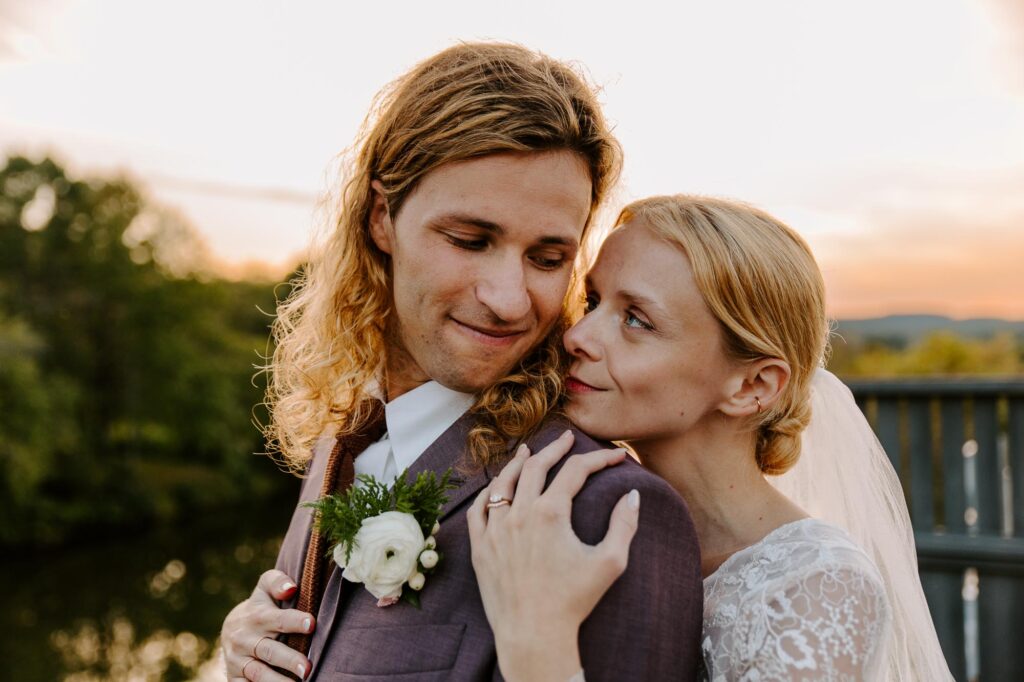
The right amount of wedding photography coverage depends on what you want to remember and how your plans fit together. Six hours can document a compact celebration; eight hours gives more room for getting ready and the party; ten hours can hold a longer story, more travel, or a later finish.
I want you to have time to be with your people, rather than spend the day watching the clock. When we plan your coverage, we work backward from the moments that matter to you and leave room for the things that happen between them.
The examples below all use a 4 p.m. ceremony so you can compare them. They assume a 30-minute ceremony, nearby getting-ready spaces, and little or no travel. These are starting points, not schedules to copy exactly: a longer ceremony, an earlier sunset, or separate venues will change the plan.
6 hours of wedding photography
Six hours can work well when your plans are close together and your priorities are the ceremony, portraits, and the beginning of the reception. You may have a short window for getting dressed and final preparations, but it is unlikely to include the whole getting-ready experience and the end of the party.
- Your ceremony and reception are at one location, or very close together.
- You are happy with a few final getting-ready moments rather than extended morning coverage.
- You want the early celebration documented and do not need a late-night exit photographed.
Six-hour example: 2–8 p.m.
| Time | What is happening |
|---|---|
| 2:00 p.m. | Coverage begins: finishing touches, getting dressed, and time with your people |
| 3:00 p.m. | Individual and wedding-party photographs, keeping you separate if you prefer |
| 3:30 p.m. | Time to get settled before the ceremony |
| 4:00 p.m. | Ceremony |
| 4:30 p.m. | Family photographs |
| 4:50 p.m. | Wedding-party photographs together |
| 5:10 p.m. | A few relaxed couple portraits |
| 5:30 p.m. | Reception begins and first dance, if planned |
| 6:00 p.m. | Dinner and toasts |
| 7:00 p.m. | Parent dances, if planned, followed by open dancing |
| 7:45 p.m. | Final reception moments within coverage |
| 8:00 p.m. | Coverage ends |
This example has no first look, so family, wedding-party, and couple photographs happen after the ceremony. A short, agreed group list helps that window work. A larger group or more time together for portraits may call for a different schedule or more coverage.
8 hours of wedding photography
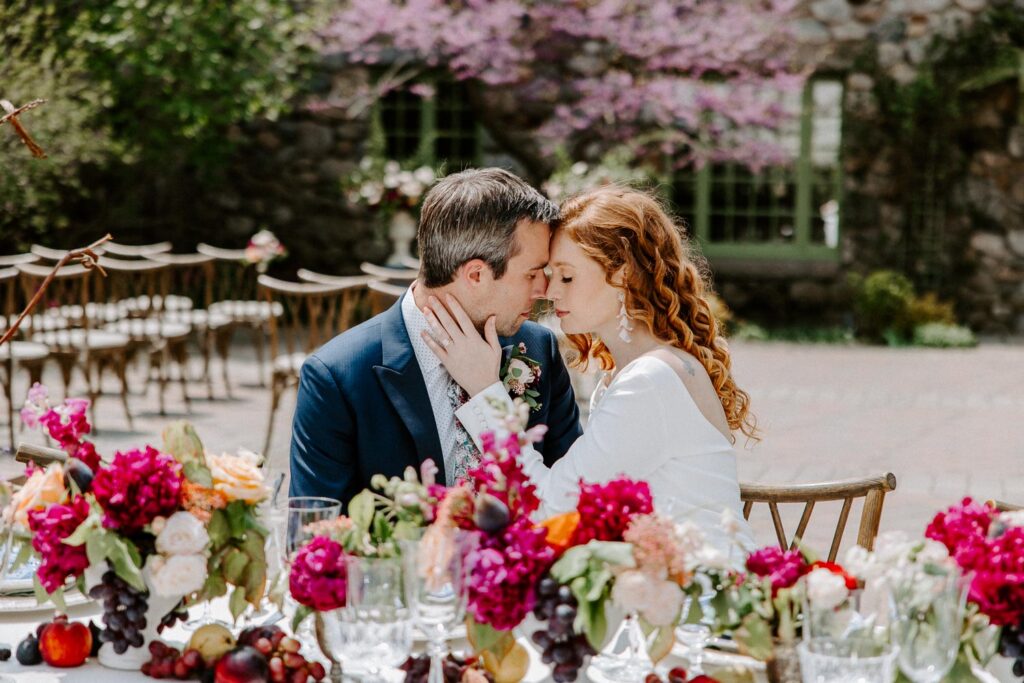
Eight hours is a useful starting point for a wedding with getting-ready photographs, the ceremony, and a good stretch of the reception. A 1–9 p.m. window gives the afternoon more breathing room while still documenting dinner, toasts, and dancing.
A first look can let us make some portraits before the ceremony and leave more of cocktail hour open for you. If you would rather see each other at the ceremony, we can plan portraits afterward and adjust the earlier part of coverage. The choice should fit how you want to experience the day.
- You want the final stages of getting ready as well as the ceremony and reception.
- There is time for portraits without moving between several distant locations.
- Your important reception events happen before coverage ends; you do not need the final hour of the party photographed.
Eight-hour example: 1–9 p.m.
| Time | What is happening |
|---|---|
| 1:00 p.m. | Coverage begins: details, the setting, and getting-ready moments |
| 1:30 p.m. | Finishing touches and getting dressed |
| 2:15 p.m. | First look, if you choose one |
| 2:45 p.m. | Couple and wedding-party photographs |
| 3:30 p.m. | Time to get settled before the ceremony |
| 4:00 p.m. | Ceremony |
| 4:30 p.m. | Family photographs, then time at cocktail hour |
| 5:30 p.m. | Reception begins and first dance, if planned |
| 6:00 p.m. | Dinner and toasts |
| 7:00 p.m. | Parent dances, if planned, followed by open dancing |
| 8:00 p.m. | The party continues: dancing and candid reception photographs |
| 9:00 p.m. | Coverage ends |
This is eight continuous hours. If your real exit is at 10 p.m., a 1–9 p.m. booking will not cover it. We can discuss a later start, additional time, or a longer collection based on what matters most to you. There is no need to stage an early exit just for the photographs.
10 hours of wedding photography
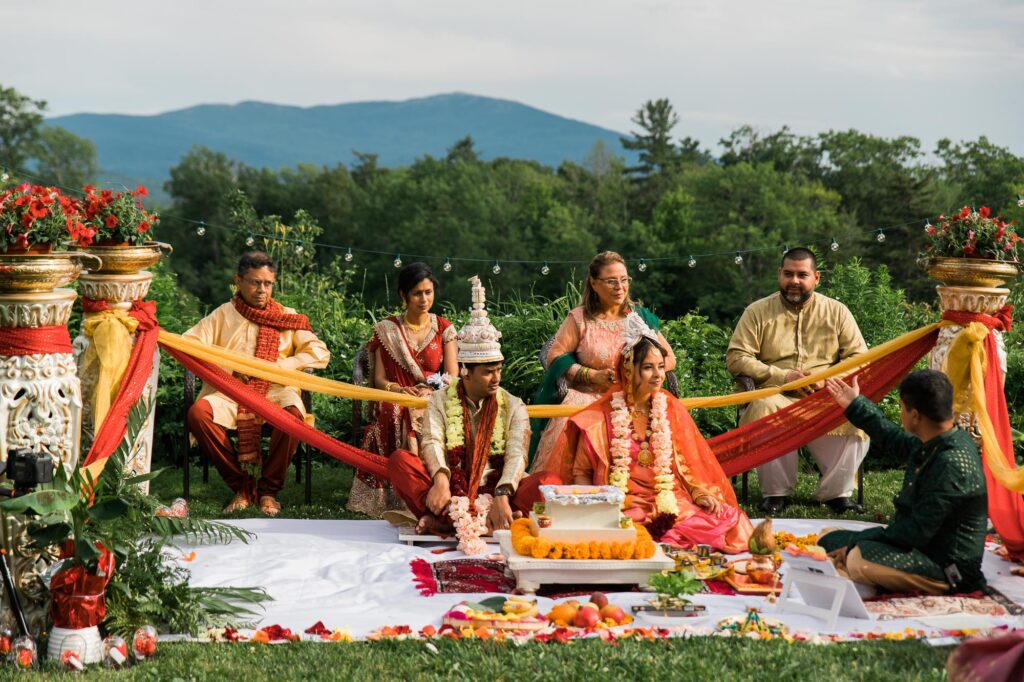
Ten hours gives more room around the main events. That might mean a slower getting-ready morning, a longer ceremony, travel between venues, or time for the party to develop into the evening. It is especially worth considering when several parts of the day matter equally to you.
- Your getting-ready locations, ceremony, and reception involve meaningful travel.
- You have a longer ceremony, more than one ceremony, or traditions spread through the day.
- You want more of the preparations and a later reception moment documented.
The extra hours do not need to become extra portrait time. They can simply mean more space to document the people arriving, the conversations, the atmosphere, and the celebration as it unfolds.
Ten-hour example: noon–10 p.m.
| Time | What is happening |
|---|---|
| 12:00 p.m. | Coverage begins: the setting, details, and more of the getting-ready experience |
| 1:00 p.m. | Getting-ready moments with both partners, where logistics allow |
| 2:00 p.m. | First look, if you choose one |
| 2:30 p.m. | Couple, wedding-party, and any planned family photographs |
| 3:30 p.m. | Time to get settled before the ceremony |
| 4:00 p.m. | Ceremony |
| 4:30 p.m. | Any remaining family photographs, then cocktail hour |
| 5:30 p.m. | Reception begins and first dance, if planned |
| 6:00 p.m. | Dinner and toasts |
| 7:00 p.m. | Parent dances, if planned, followed by open dancing |
| 9:45 p.m. | A real send-off or other late-night moment, if it is part of your plans |
| 10:00 p.m. | Coverage ends |
This example illustrates a longer day at nearby locations. If you have multiple ceremonies or a substantial drive, we will build a timeline around those actual timings rather than add them on top of this schedule.
A few details that change how much coverage you need
Travel and breathing room
Driving time, parking, walking through a venue, and gathering people for photographs all take time within continuous coverage. I would rather allow a little breathing room than build a timeline that only works if everything happens to the minute.
Sunset and the season
Sunset portraits are not a fixed 6:30 p.m. event. We will check the sunset time for your exact date and location, then decide where a short portrait window fits. In late fall and winter, daylight portraits may need to happen before the ceremony. In summer, they may happen during the reception. Weather and the surrounding landscape also affect the available light.
Photographing both partners getting ready
If you are getting ready in different places, one photographer needs time to move between them. A second photographer can help document things happening at the same time, but does not extend the coverage window. Read more about whether you need a second wedding photographer.
How much of the party matters to you?
Some couples want the first dances and the energy when the dance floor opens; others want the late-night stories too. Your photography does not have to run until the venue closes unless the moments you want documented happen then. Any planned cake cutting, outfit change, or send-off needs to sit within the booked hours if you want photographs of it.
We will work out the right fit together
You do not need a finished timeline before you get in touch. Tell me your ceremony time, the locations you are considering, and what you most want to remember. I will help you think through the coverage that supports those plans, with room for you to be part of the day.
Explore the wedding photography experience and my approach to documentary wedding photography, or check your date so we can talk through your plans.